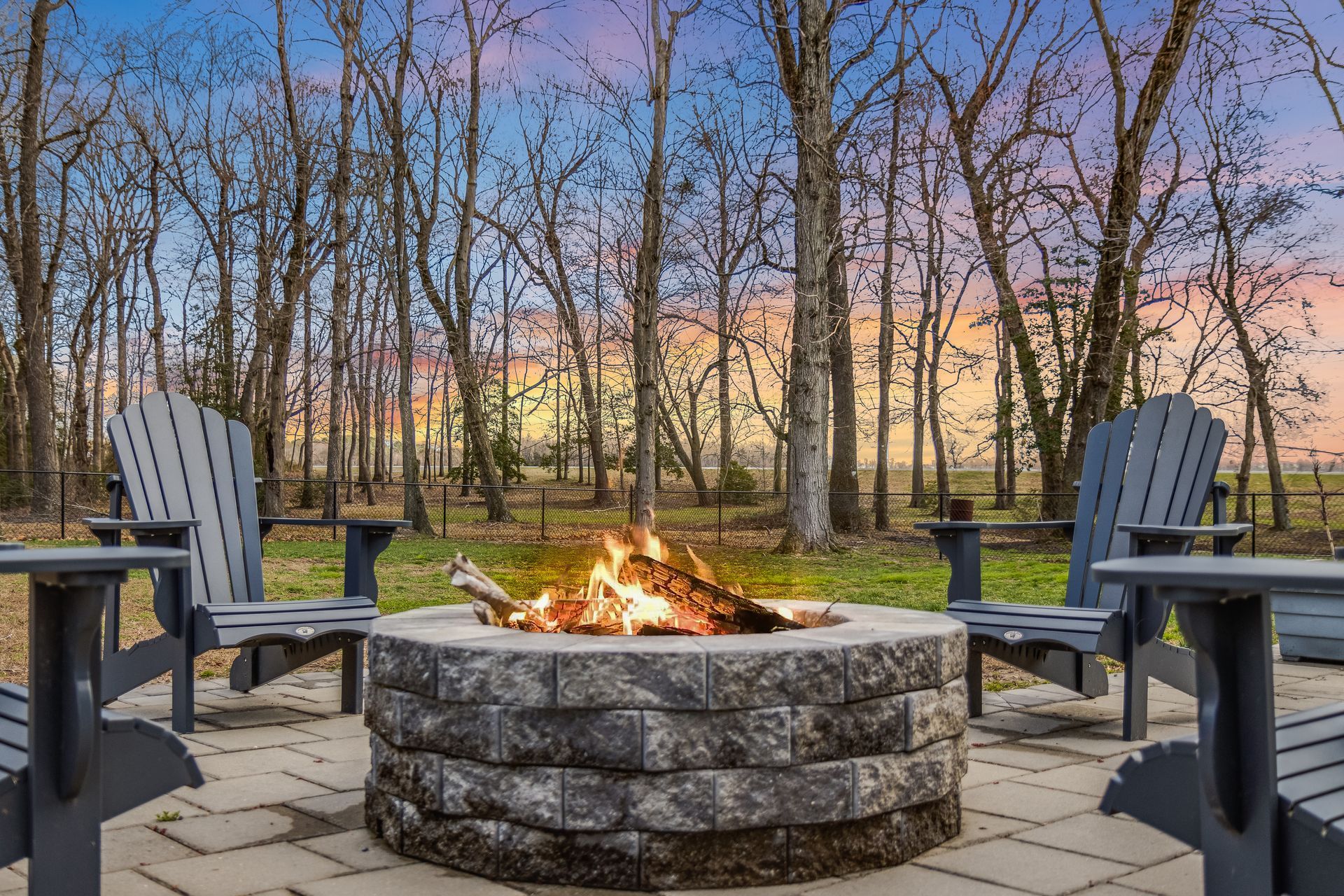
A backyard fire pit can transform an ordinary outdoor space into a comfortable gathering place for family and friends. Whether you're planning cozy evenings outdoors, hosting weekend get-togethers, or creating a complete outdoor living area, a fire pit adds warmth, ambiance, and functionality to your landscape.
However, installing a fire pit involves more than choosing a design you like. From selecting the right location to choosing materials and planning the surrounding space, several factors can influence how well your fire pit fits into your backyard.
At Epperson Landscape, thoughtful landscape design helps homeowners create outdoor spaces that are both beautiful and functional. If you're considering adding a fire pit to your backyard, here are seven important things to consider before getting started.
1. Choose the Right Location for Your Fire Pit
One of the first decisions to make is where your fire pit will go. The right location should complement your landscape design while providing a comfortable and practical gathering space.
Before choosing a spot, consider how your family uses the backyard and where people naturally gather. A fire pit near a patio or outdoor seating area can create a natural extension of your existing outdoor living space.
You'll also want to consider:
- Distance from structures: Keep the fire pit a safe distance from your home, fences, decks, sheds, and other combustible materials. Follow local fire codes and the manufacturer's clearance requirements.
- Overhead obstructions: Avoid locations beneath low-hanging tree branches, covered structures, or other overhead materials that could create a fire hazard.
- Wind patterns: Consider how prevailing winds may carry smoke toward your home, seating areas, or neighboring properties.
- Ground conditions: Choose a stable, level location with a suitable noncombustible surface.
- Accessibility: Make sure the fire pit is easy to reach from your home, patio, and other outdoor gathering areas.
In Middle Tennessee, properties can have varying elevations, mature trees, and unique drainage conditions. Evaluating these factors early can help you determine the best location for your fire pit.
2. Decide Which Type of Fire Pit Fits Your Lifestyle
Fire pits come in several styles, and the best option depends on how you plan to use your outdoor space, your preferred aesthetic, and how much maintenance you're comfortable handling.
Wood-Burning Fire Pits
Wood-burning fire pits offer a traditional campfire experience, complete with crackling wood and a natural wood-burning aroma.
They can be a great choice for homeowners who enjoy a rustic atmosphere and don't mind storing firewood, removing ash, and performing regular cleanup.
However, wood-burning fire pits produce smoke and sparks, so proper placement, ventilation, and compliance with local burning restrictions are especially important.
Gas Fire Pits
Gas fire pits provide a convenient alternative for homeowners who prefer a more controlled flame and easier operation.
Depending on the design, they may use natural gas or propane. Some systems can be activated with a switch or ignition system, making them convenient for frequent use.
Gas fire pits typically require less cleanup than wood-burning options, but installation must account for the appropriate fuel supply, ventilation, and manufacturer requirements. Permanent gas connections should be installed by qualified professionals.
Built-In Fire Pits
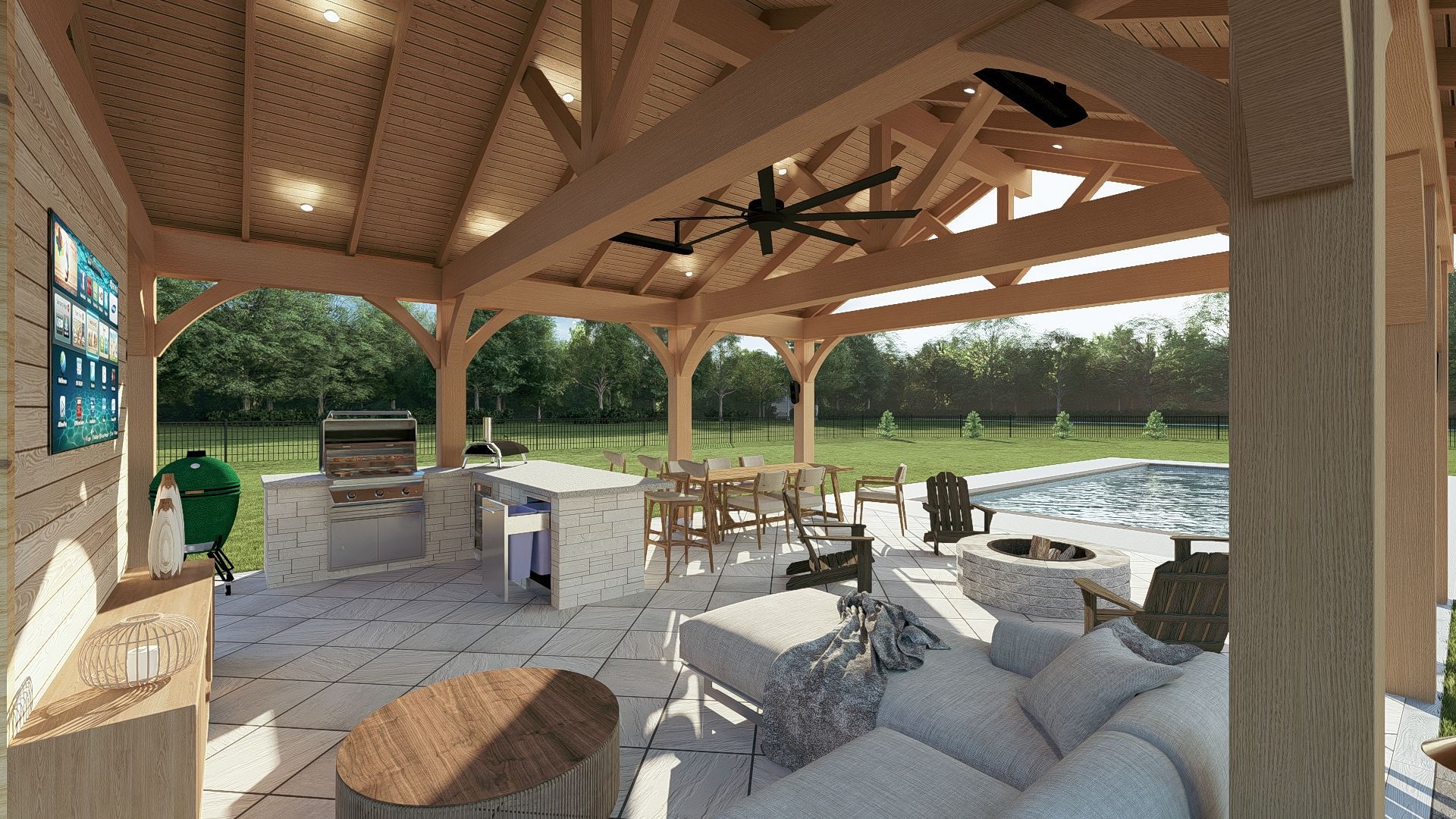
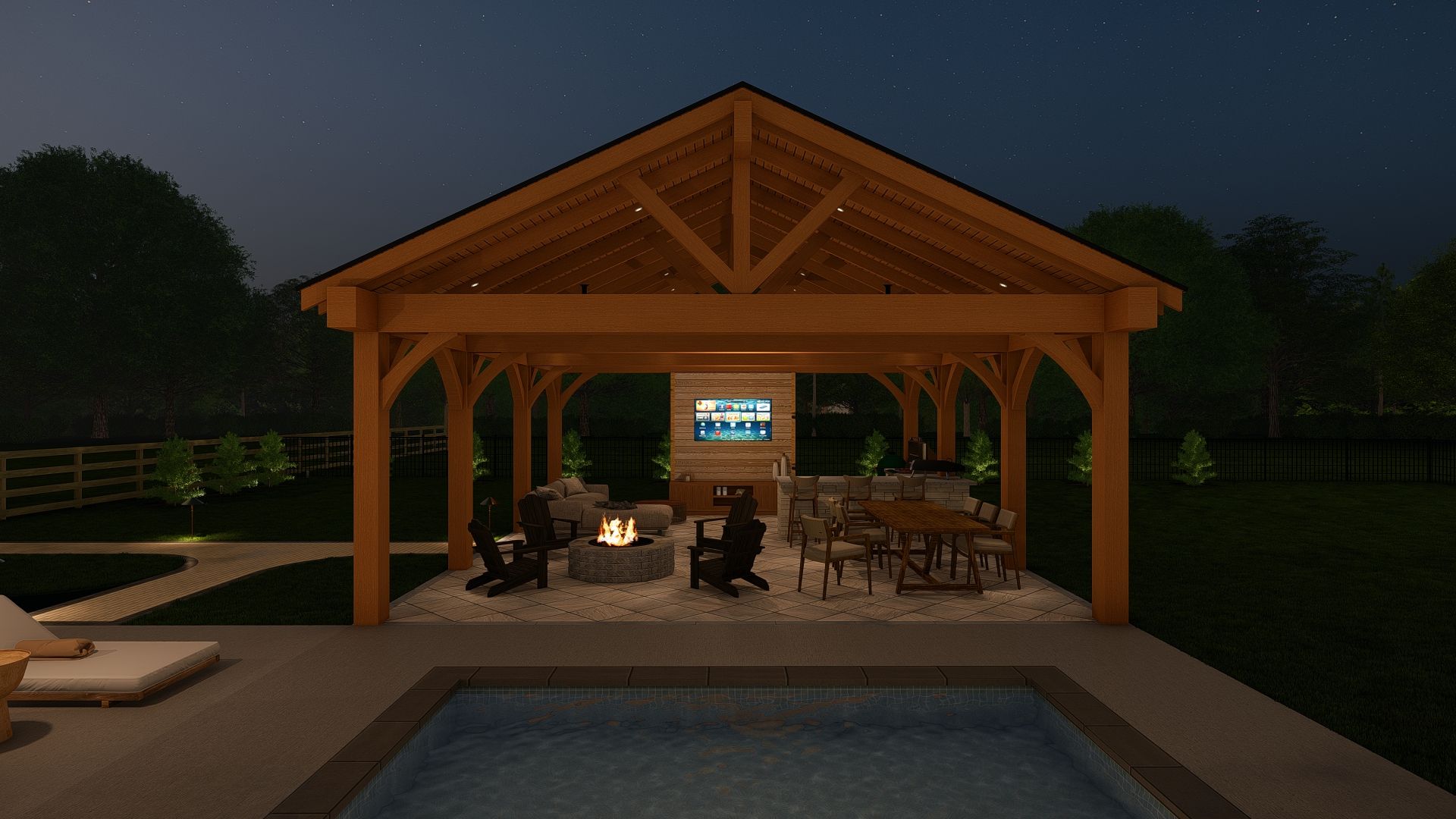
A built-in fire pit can become a central feature of a professionally designed outdoor living area. These structures can be customized to complement patios, retaining walls, outdoor kitchens, and other hardscape elements.
Materials such as natural stone, concrete pavers, and masonry can help create a cohesive appearance throughout the backyard.
When choosing a built-in design, consider the size of your yard, the surrounding seating area, and how the fire pit will fit into the overall landscape.
3. Select Materials That Complement Your Landscape
Your fire pit should feel like a natural part of your backyard rather than an isolated feature.
Choosing materials that coordinate with your home's exterior, patio, walkways, and retaining walls can help create a more polished and cohesive design.
Popular options include:
- Natural stone: Offers a timeless appearance that works well with a variety of landscape styles.
- Concrete pavers: Provide versatility in color, shape, and pattern, making them a popular choice for patios and surrounding seating areas.
- Brick: Creates a classic look that can complement traditional homes and outdoor spaces.
- Decorative concrete: Can provide a clean, contemporary finish when incorporated into a modern landscape design.
It's important to choose materials specifically rated for use around fire features. Ordinary landscape stone, concrete products, and decorative materials may not be suitable for direct exposure to high temperatures.
The materials surrounding the fire pit should also provide a stable, noncombustible surface appropriate for the installation.
A professional landscape designer can help you coordinate these materials with the rest of your outdoor living area.
4. Plan Comfortable Seating and Traffic Flow
A fire pit is most enjoyable when people have enough room to gather comfortably.
Before installation, think about how many people you typically entertain and how the seating arrangement will work. A small fire pit with a few chairs may be ideal for an intimate backyard, while a larger outdoor living area may benefit from a built-in seating wall or a more expansive patio.
When planning your seating area, consider:
- Seating capacity: Make sure there is enough room for family members and guests without overcrowding the space.
- Comfortable spacing: Follow the fire pit manufacturer's recommended clearances for seating and surrounding materials.
- Easy movement: Leave enough room for people to walk around the seating area without navigating tight spaces.
- Furniture selection: Choose outdoor furniture designed for the environment and positioned at a safe distance from the flame.
- Connection to other features: Consider how the fire pit relates to your patio, outdoor kitchen, dining area, or garden.
A thoughtfully planned seating area can make your fire pit more versatile, allowing it to serve as a gathering spot for everything from quiet evenings to larger outdoor celebrations.
5. Consider Drainage, Grading, and Ground Preparation
Proper ground preparation is an important part of any outdoor installation.
If your backyard has uneven terrain or drainage issues, those conditions should be addressed before installing a fire pit or its surrounding patio. Water that collects around the installation can affect usability, contribute to erosion, and create maintenance problems.
Before construction, evaluate whether the area needs grading, drainage improvements, or a properly prepared base.
This is especially important for properties with sloped yards, where a fire pit may need to be integrated into a larger landscape design.
Depending on the property, the project might include:
- Leveling and preparing the installation area
- Installing a stable base for the fire pit or patio
- Directing runoff away from structures
- Addressing erosion or water accumulation
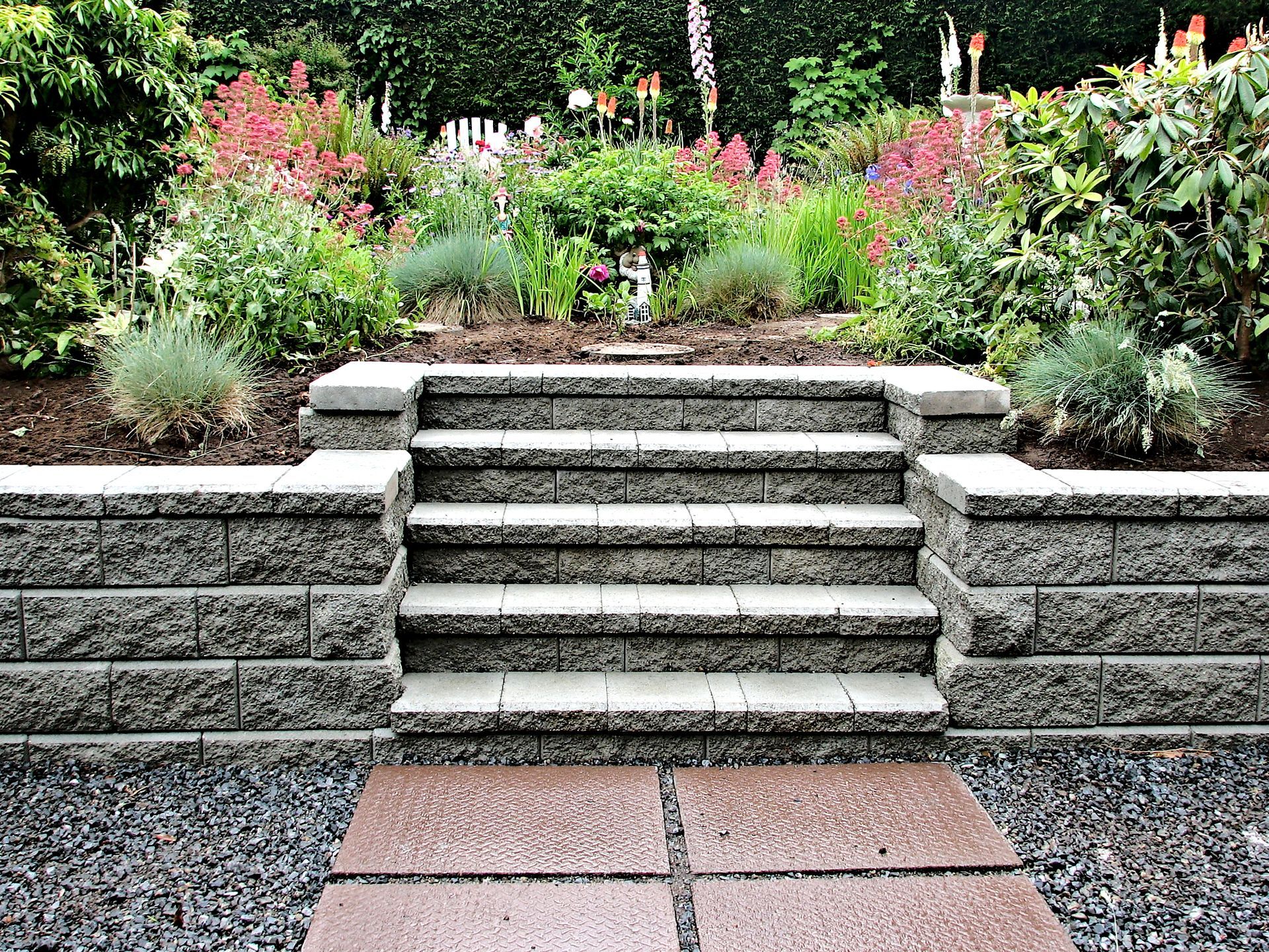
- Coordinating the fire pit with existing retaining walls and hardscaping
Planning these details before installation can help prevent avoidable issues and create a more durable outdoor living space.
6. Understand Fire Safety and Local Requirements
Safety should always be part of your fire pit planning process.
Before installing a fire pit, review local regulations, applicable fire codes, and any restrictions that may apply to your property. Requirements can vary depending on the type of fire feature, its location, and whether the installation involves permanent gas lines or other construction.
Homeowners in Middle Tennessee should also consider neighborhood covenants, homeowners association rules, and temporary outdoor burning restrictions that may apply during dry or windy conditions.
Additional precautions include:
- Maintaining the clearances specified by the manufacturer and local authorities.
- Keeping fire pits away from combustible materials and overhanging vegetation.
- Using only the fuel specified for the fire pit.
- Keeping children and pets at a safe distance.
- Having appropriate fire-extinguishing equipment readily available.
- Never leaving an active fire unattended.
- Allowing ashes and materials to cool completely before disposal.
For gas fire pits, proper fuel connections, ventilation, and installation are essential. Work involving permanent gas lines should be completed by qualified professionals.
Planning for safety from the beginning helps ensure your fire pit can be enjoyed responsibly.
7. Think About the Bigger Picture of Your Outdoor Living Space
A fire pit can be a standalone feature, but it can also serve as the centerpiece of a larger backyard transformation.
If you're already considering upgrades to your landscape, it may be worth planning several features together rather than treating each project separately.
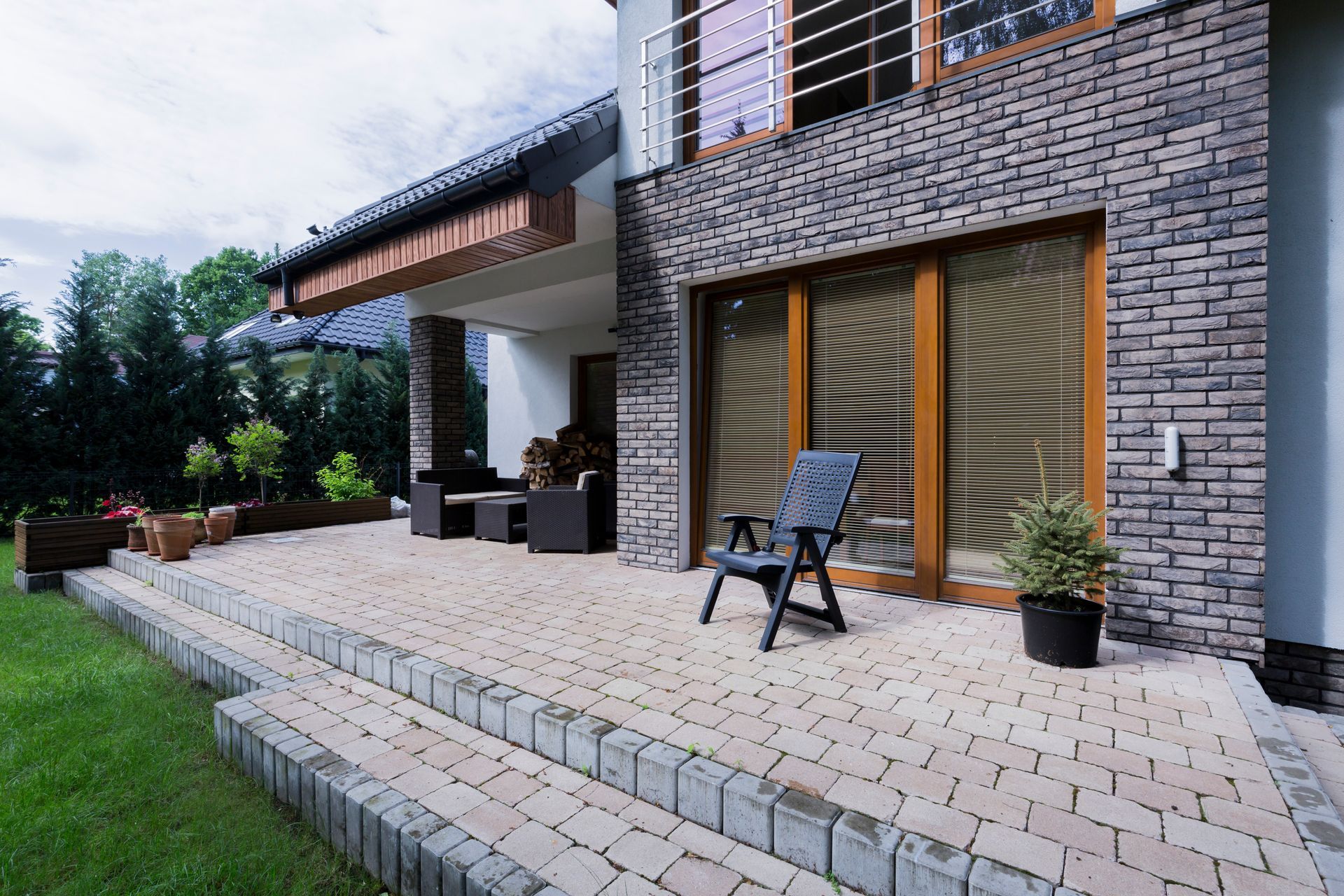
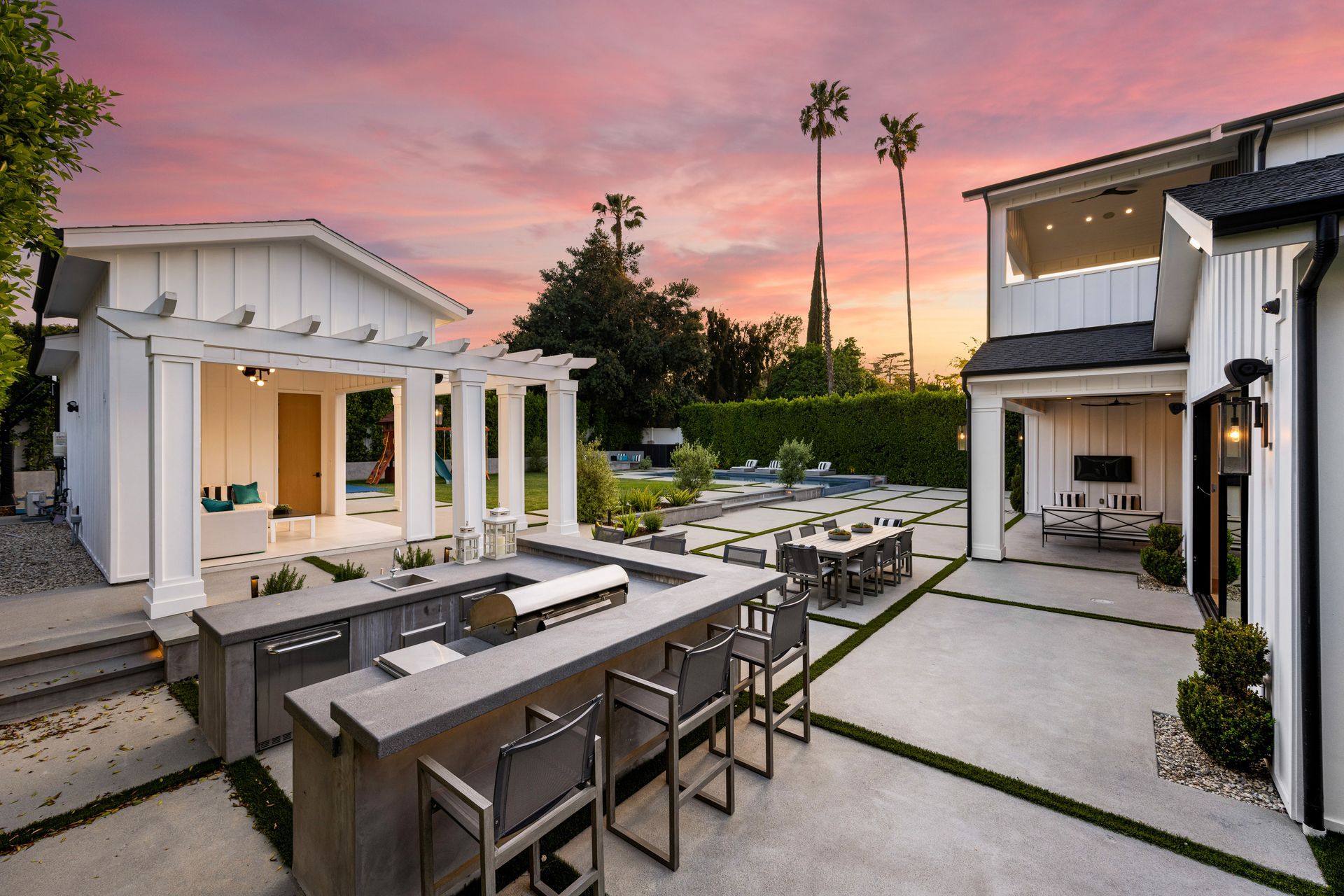
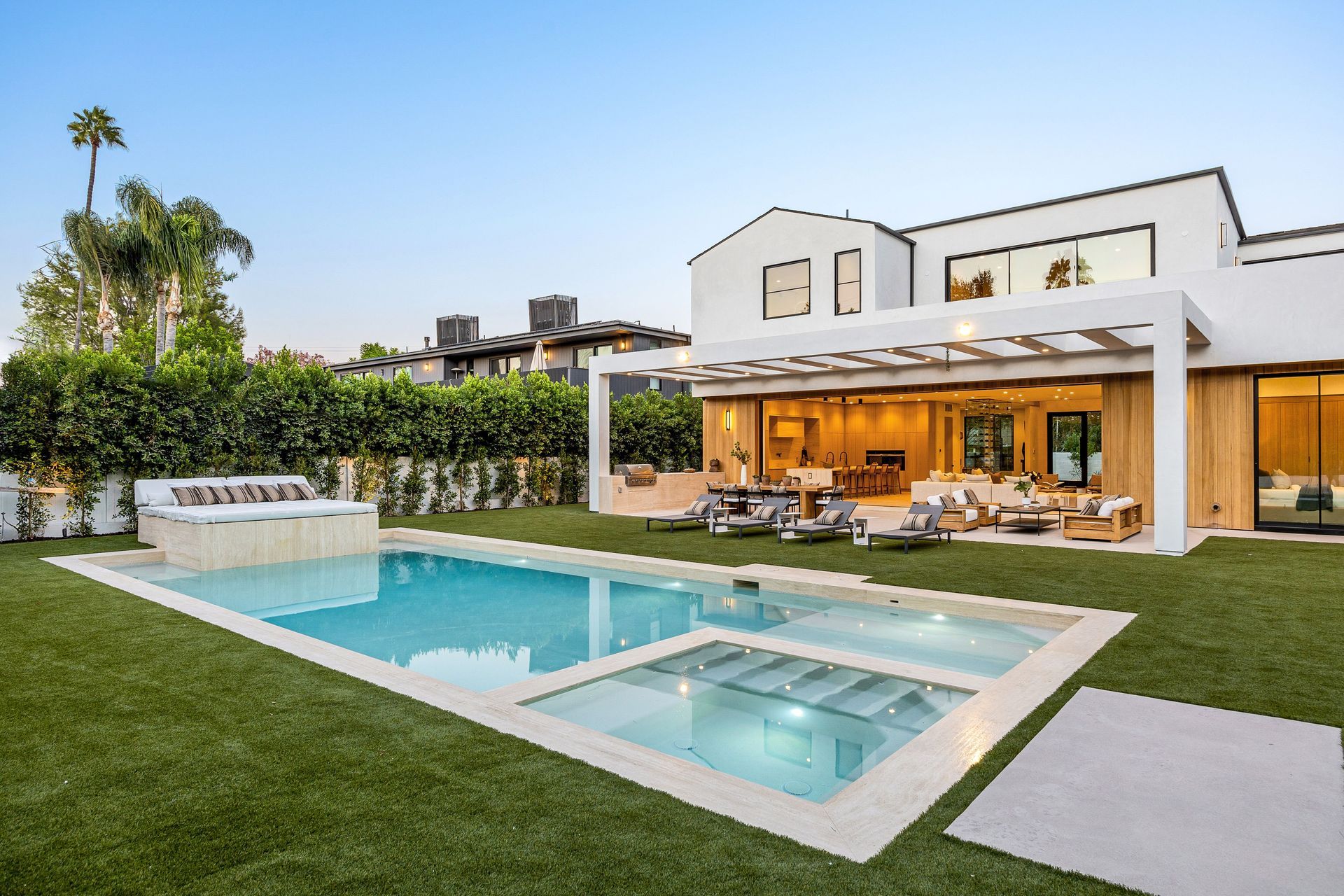
For example, a backyard design might incorporate a paver patio, a built-in fire pit, landscape lighting, planting beds, and an outdoor kitchen. Coordinating these elements can help create a more functional layout and a consistent design throughout the property.
Landscape lighting can highlight walkways, surrounding plants, and architectural features after sunset. Well-placed planting beds can help define the space, while carefully designed pathways can connect the fire pit to other areas of the yard.
You may also want to consider how the space will be used throughout the year. A fire pit can extend the usefulness of your outdoor living area into cooler months, depending on the weather and local conditions.
Thinking about the entire landscape before construction begins can help you make decisions that support both your immediate needs and future plans.
How Much Does It Cost to Install a Backyard Fire Pit?
The cost of installing a backyard fire pit depends on the type of fire feature, materials, site conditions, and complexity of the project.
A simple, portable fire pit generally requires a smaller investment than a custom-built masonry feature integrated into a professionally designed patio.
Factors that can affect the total project cost include:
- The size and style of the fire pit
- The choice of construction materials
- The amount of excavation and site preparation required
- Patio installation or expansion
- Gas line installation, if applicable
- Additional seating, retaining walls, or landscape features
- Landscape lighting and surrounding planting
For an accurate estimate, consider the full scope of your project rather than budgeting for the fire pit alone. Including site preparation, seating, and related hardscaping can help you understand the overall investment required to complete the space.
A landscape professional can evaluate your property, discuss your goals, and help you develop a plan that aligns with your budget.
Create Your Ideal Backyard Gathering Space With Epperson Landscape
A backyard fire pit can add warmth, visual interest, and a natural gathering point to your outdoor living space. But the best results come from thoughtful planning, quality materials, and a design that works with your property's layout.
By considering location, fuel type, materials, seating, drainage, safety, and the surrounding landscape, you can create a fire pit area that feels intentional and complements your home.
Whether you're envisioning a simple gathering area or a complete backyard transformation, Epperson Landscape can help you explore options for creating an outdoor space that fits your property and lifestyle.
Ready to upgrade your backyard? Contact Epperson Landscape to discuss your outdoor living goals and explore landscape design and installation options for your Middle Tennessee home.
Contact Epperson Landscape to get started on your backyard fire pit!