Tennessee summers can be beautiful, but they can also be tough on your landscape. Between prolonged heat, periods of drought, heavy humidity, and sudden afternoon storms, lawns, plants, and trees can experience significant stress if they are not properly maintained.
Whether you have recently invested in a new landscape or want to keep your property looking its best, a few proactive steps can help your outdoor spaces thrive throughout the hottest months of the year.
Understand the Challenges of a Tennessee Summer
Middle Tennessee's climate presents several challenges for residential and commercial landscapes, including:
- High temperatures that increase water evaporation
- Inconsistent rainfall
- Clay-heavy soil that can become hard and compacted
- Heat stress on turfgrass and ornamental plants
- Increased weed and insect activity
A healthy landscape starts with understanding these seasonal conditions and adjusting your maintenance routine accordingly.
Water Deeply, Not Frequently
One of the most common mistakes homeowners make is watering too often for short periods.
Instead, aim for deep watering sessions that encourage roots to grow deeper into the soil. Deep root systems make grass, shrubs, and trees more resilient during dry periods.
For most established landscapes:
- Water early in the morning
- Apply approximately 1 inch of water per week, including rainfall
- Avoid watering during the hottest part of the day to reduce evaporation
Proper irrigation scheduling can significantly improve plant health while conserving water.
Refresh Your Mulch
Mulch is one of the simplest ways to protect your landscape during summer.
A fresh 2 to 3-inch layer of mulch helps:
- Retain soil moisture
- Keep root systems cooler
- Suppress weeds
- Reduce soil erosion
- Improve overall plant health
Organic mulch also breaks down over time, adding nutrients back into the soil.
Avoid piling mulch against tree trunks, which can trap moisture and contribute to disease.
Mow Your Lawn at the Right Height
During periods of intense heat, resist the urge to cut your grass too short.
Longer grass blades:
- Shade the soil
- Reduce moisture loss
- Encourage deeper root growth
- Help prevent weeds from taking hold
Keep mower blades sharp to avoid tearing the grass, which increases stress and leaves your lawn more vulnerable to disease.
Watch for Signs of Heat Stress
Plants often show visible signs when temperatures become overwhelming.
Look for:
- Wilting leaves
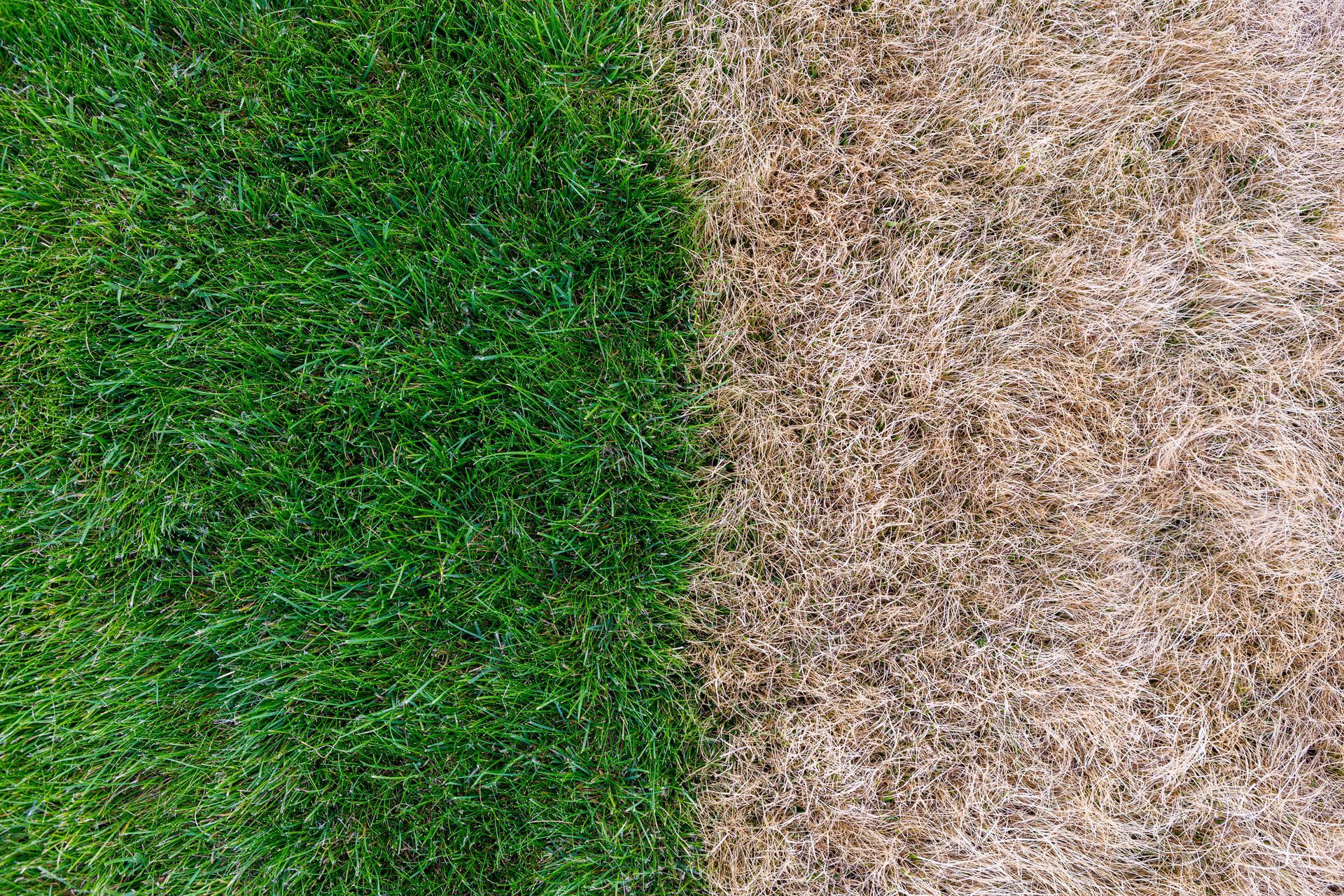
- Brown or yellow patches in the lawn
- Leaf scorch around the edges
- Premature leaf drop
- Slow growth
Some temporary afternoon wilting is normal during extreme heat, but plants that do not recover overnight may require additional watering or professional evaluation.
Protect Trees and Shrubs
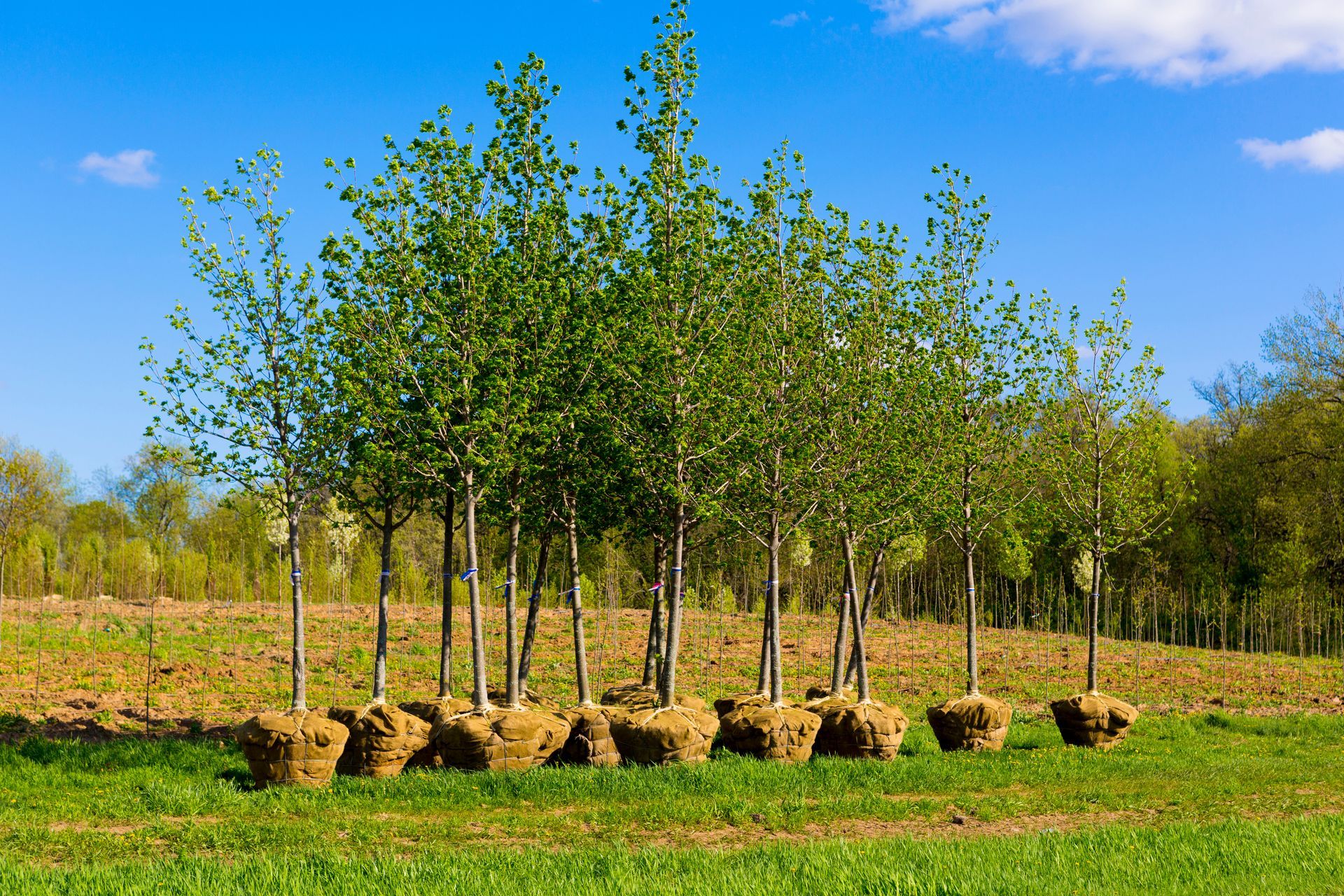
Trees and shrubs represent a significant investment in your landscape.
During summer:
- Water newly planted trees regularly
- Inspect for insect damage
- Remove dead or damaged branches
- Maintain mulch around the root zone
- Avoid heavy pruning during periods of extreme heat
Healthy trees provide valuable shade that naturally cools your landscape.
Keep Weeds Under Control
Warm weather creates ideal growing conditions for weeds.
Weeds compete with desirable plants for water and nutrients, making drought conditions even more difficult.
Regular maintenance includes:
- Pulling weeds before they spread
- Maintaining mulch coverage
- Applying pre-emergent treatments when appropriate
- Keeping lawns healthy to crowd out unwanted growth
A thick, healthy lawn remains one of the best natural defenses against weeds.
Inspect Your Irrigation System
A small irrigation problem can quickly become a major issue during a Tennessee summer.
Check for:
- Broken sprinkler heads
- Uneven watering patterns
- Leaking valves
- Clogged nozzles
- Overspray onto sidewalks or driveways
A properly functioning irrigation system saves water while ensuring every part of your landscape receives adequate moisture.
Choose Heat-Tolerant Plants
If you're planning new landscape installations, consider plants that perform well in Middle Tennessee's climate.
Popular choices include:
- Black-eyed Susan
- Coneflower
- Daylily
- Boxwood
- Switchgrass
- Little Bluestem
- Oakleaf Hydrangea
- Crape Myrtle
Native and drought-tolerant plants generally require less maintenance and adapt better to local conditions.
Don't Forget Hardscapes
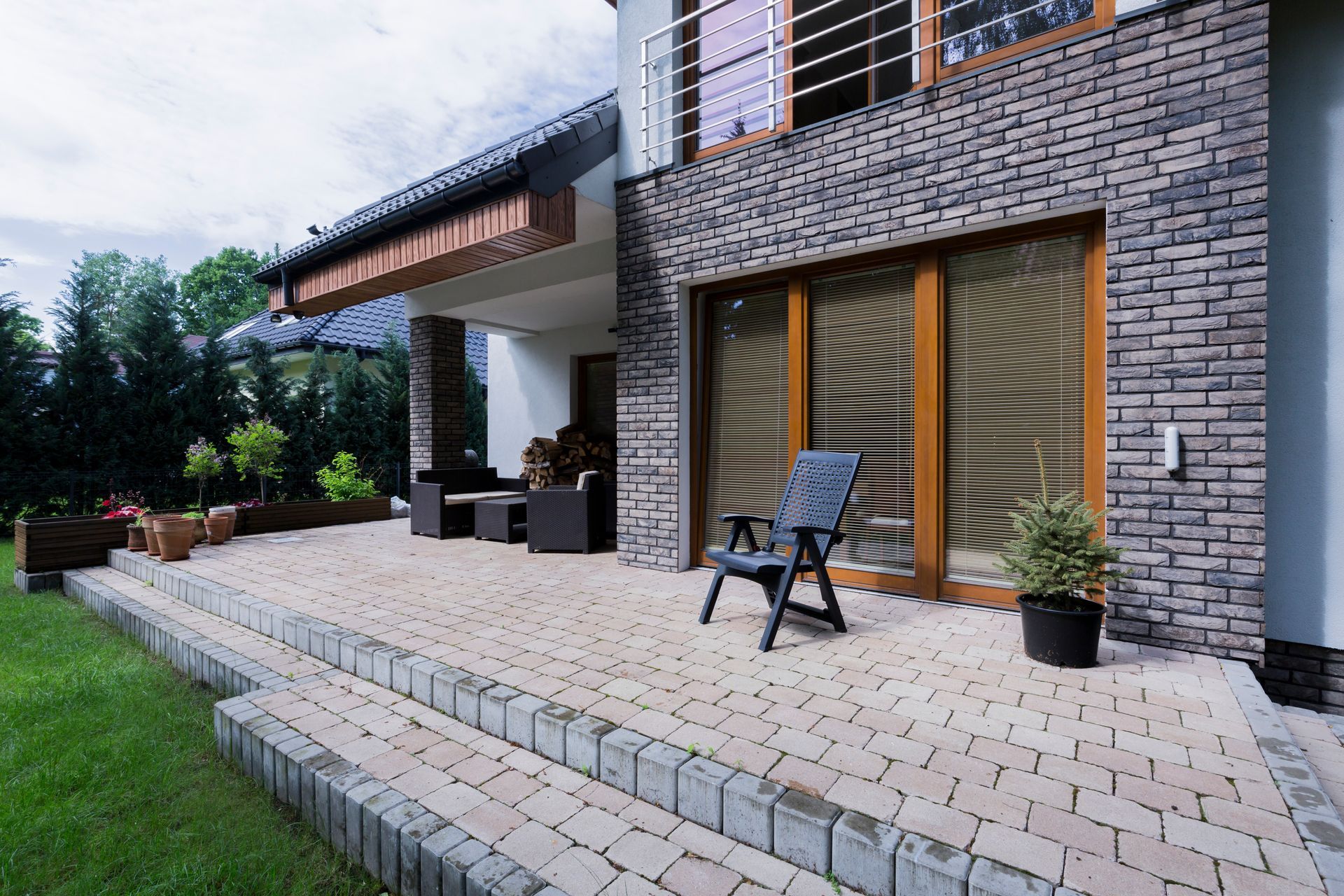
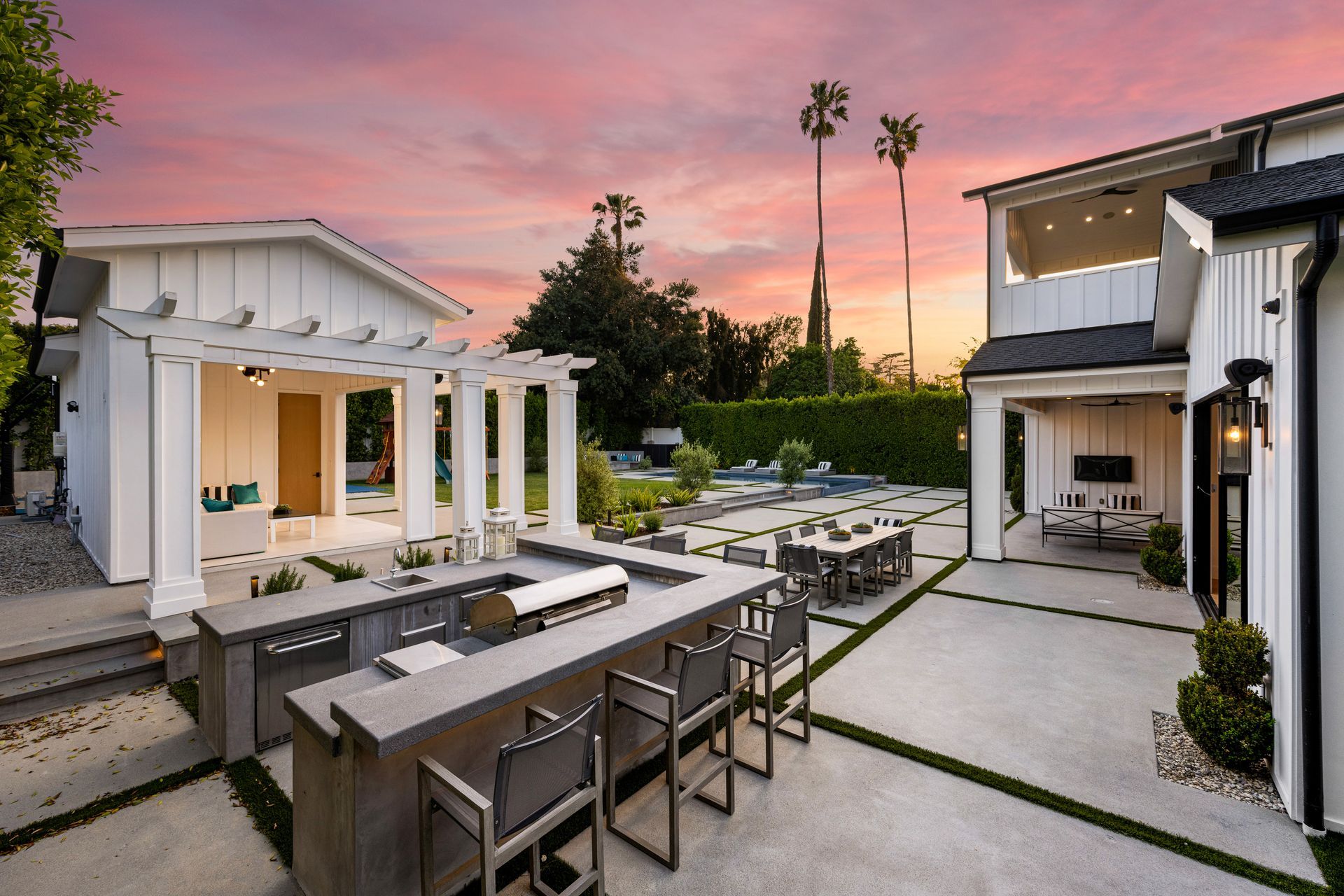
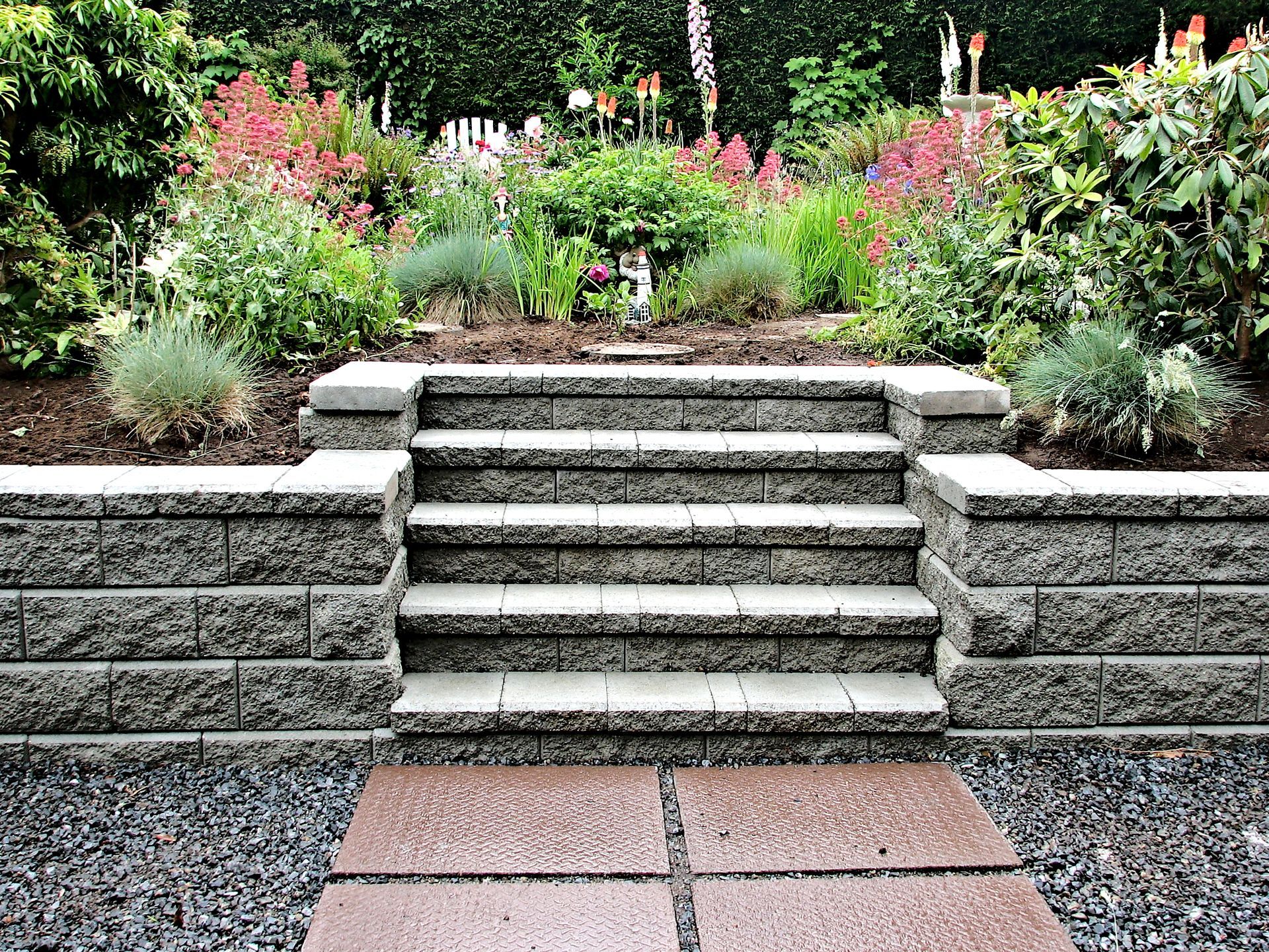
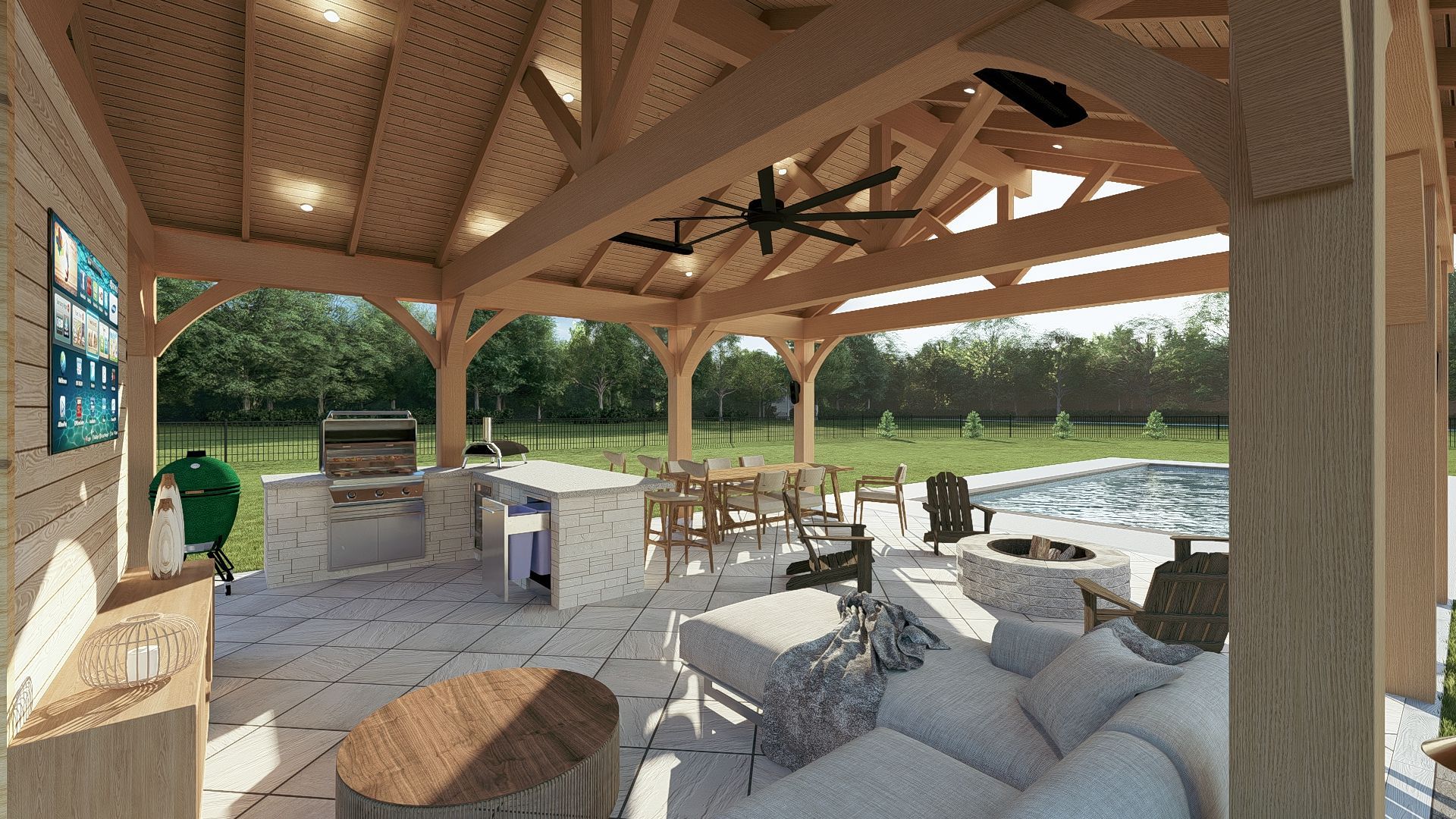
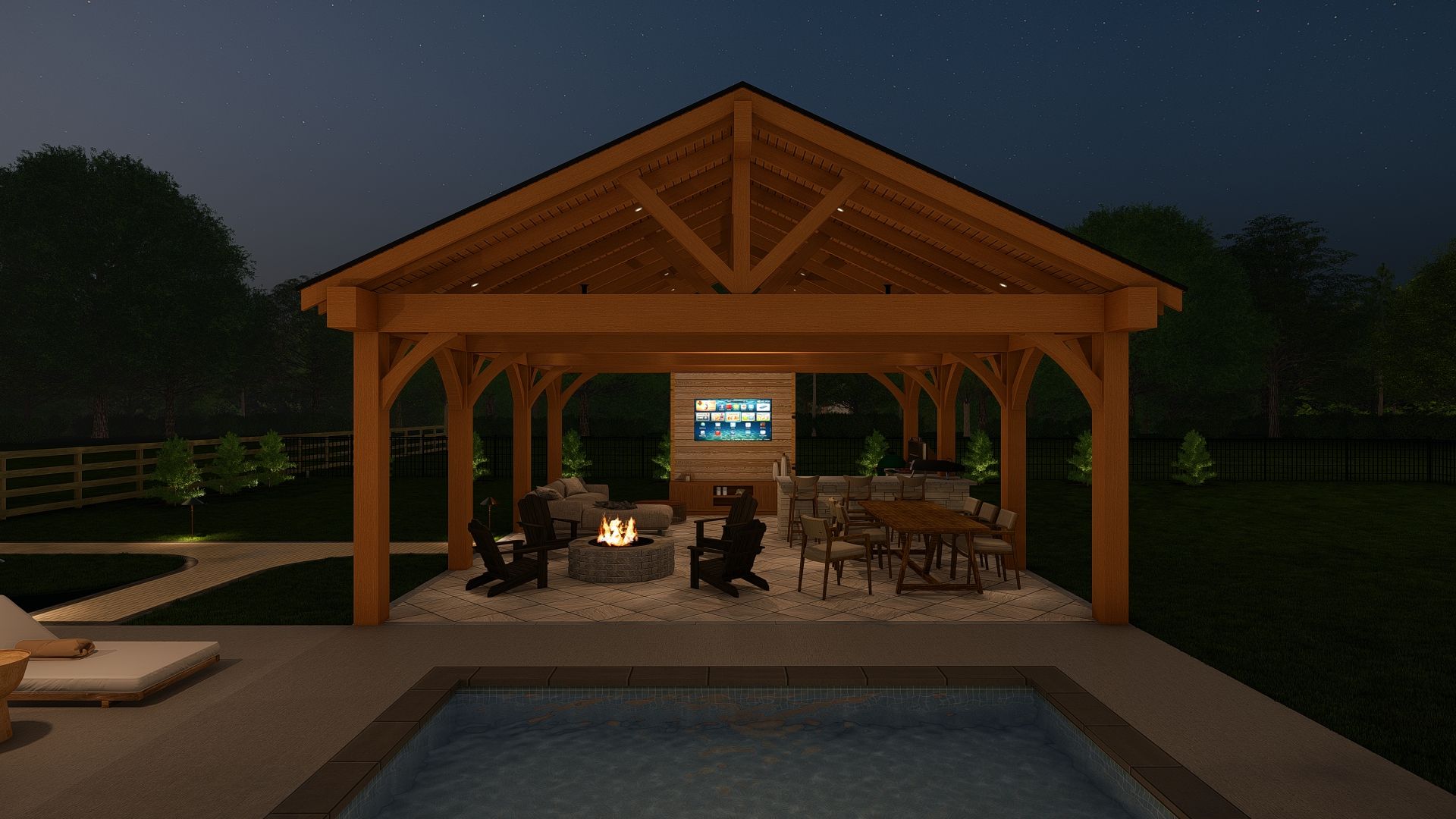
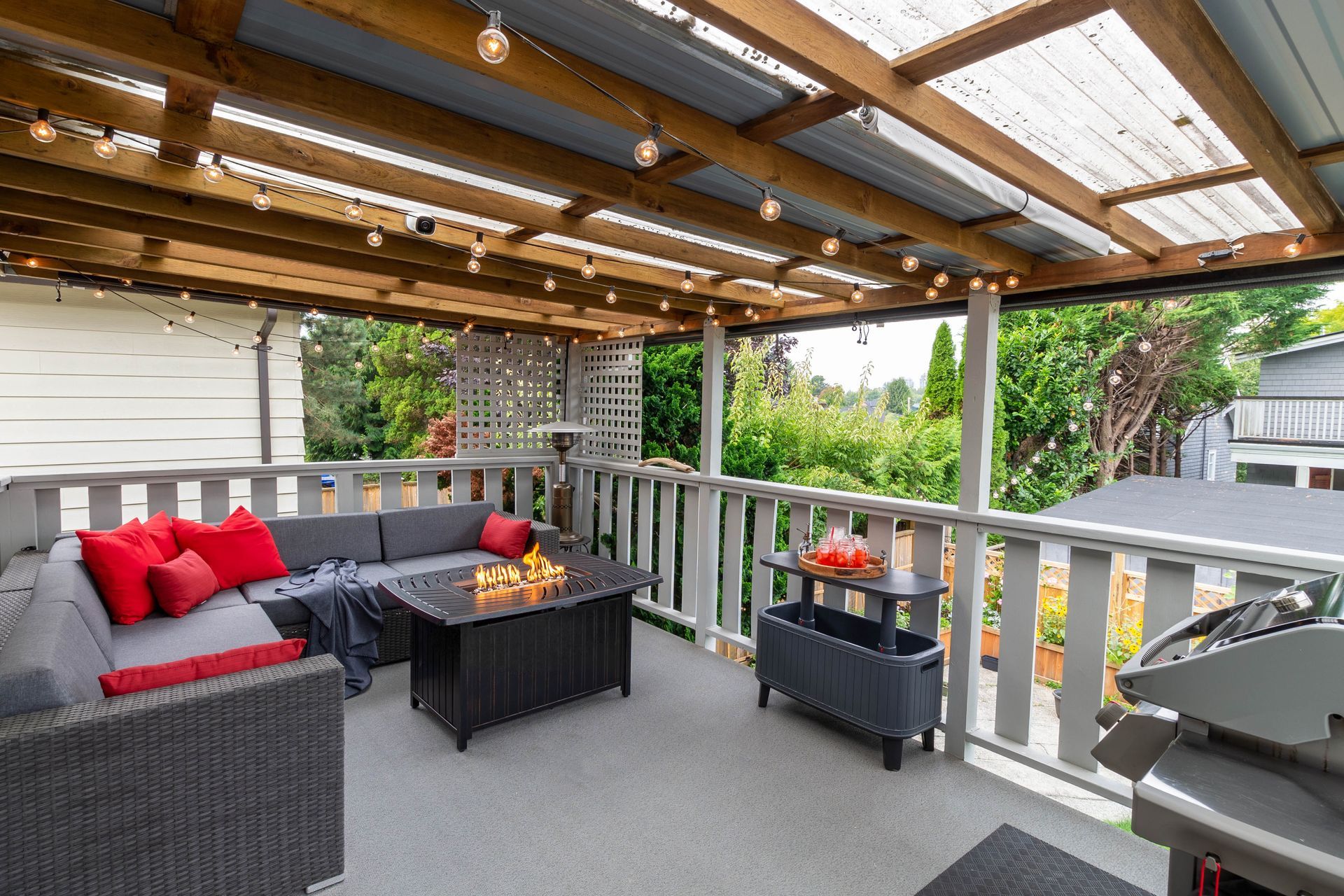
Patios, walkways, retaining walls, and outdoor living areas also benefit from seasonal maintenance.
Summer is a great time to:
- Pressure wash hardscape surfaces
- Refill joint sand between pavers if needed
- Inspect retaining walls for movement
- Clean outdoor lighting fixtures
- Seal pavers if recommended
Routine care helps extend the life and appearance of your outdoor living spaces.
Schedule Professional Landscape Maintenance
Routine professional maintenance can help identify small problems before they become expensive repairs.
A professional landscaping team can provide:
- Irrigation inspections
- Seasonal pruning
- Mulch installation
- Lawn care
- Plant health evaluations
- Landscape enhancements
Regular maintenance keeps your property looking its best while protecting your investment throughout the summer.
Keep Your Landscape Thriving All Season Long
Tennessee summers can be demanding, but the right maintenance strategy can help your landscape remain healthy, vibrant, and beautiful despite the heat.
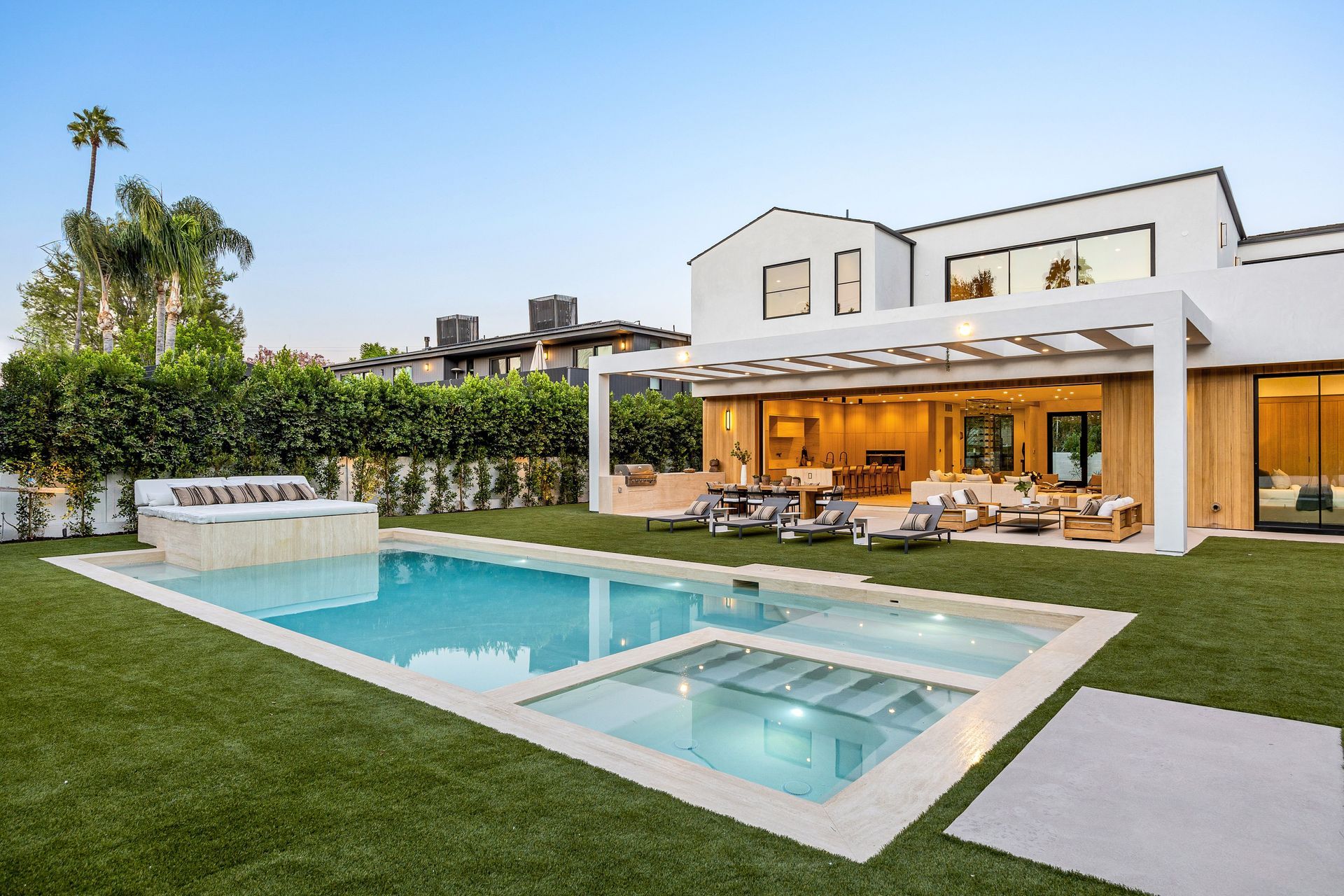
At Epperson Landscape, we design, install, and maintain outdoor spaces that are built to thrive in Middle Tennessee's climate. Whether you're looking to refresh your existing landscape, upgrade your outdoor living space, or create a custom backyard retreat, our experienced team is here to help.
Contact Epperson Landscape today to schedule a consultation and keep your landscape looking its best all summer long.